
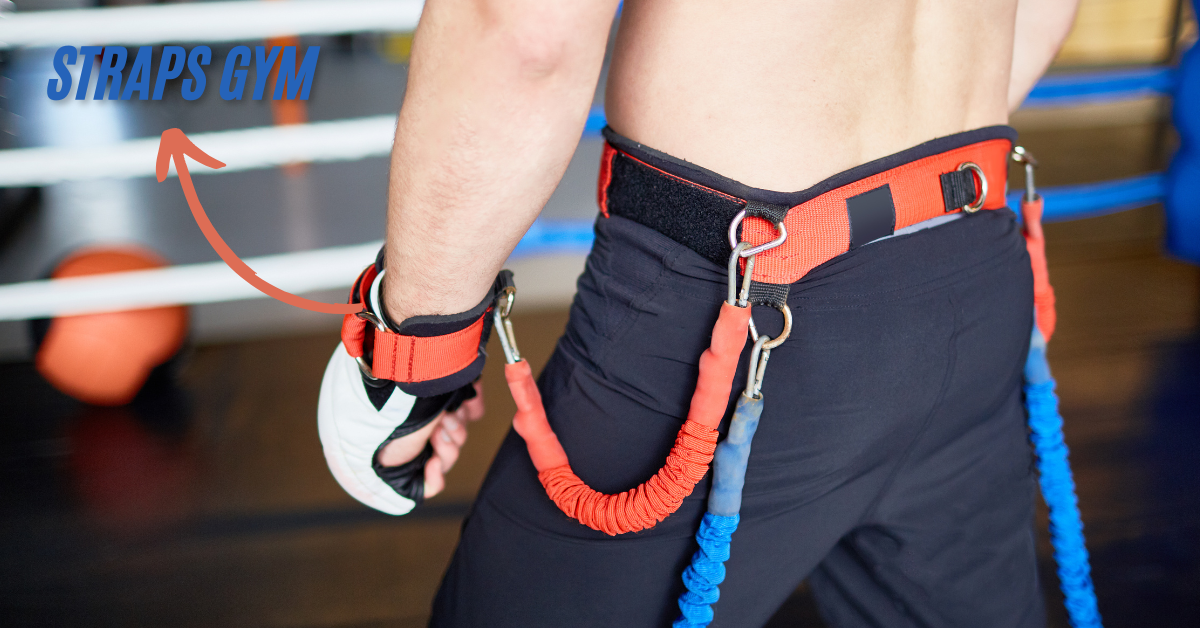
Straps Gym – Complete Guide to Lifting Straps for Strength Training
If you’ve ever felt your grip give up before your back or legs during a heavy lift, you’re not alone. This is exactly where straps gym equipment comes into play. Gym straps are one of the most underrated yet powerful tools in strength training. They don’t magically lift weights for you, but they do remove grip as the weak link so you can train harder and smarter.
Think of gym straps like training wheels—not forever, but incredibly helpful when you need extra support.
What Are Gym Straps?
Gym straps are supportive accessories worn around the wrists and wrapped around a barbell, dumbbell, or machine handle. Their main purpose is to improve grip security during pulling movements. By reducing the stress on your hands and forearms, straps allow you to focus on the target muscles like your back, traps, and hamstrings.
Why Gym Straps Are Popular Among Lifters
The popularity of gym straps has exploded because modern training focuses on muscle activation and overload. Lifters want results, not limitations. When grip fails early, your workout suffers. Straps solve that problem quickly and effectively.
Types of Gym Straps
Lifting Straps
Lifting straps are the most common type used in gyms.
Loop Lifting Straps
These are beginner-friendly and widely available. One end forms a loop for your wrist, while the other wraps around the bar. They’re easy to use and perfect for general training.
Figure 8 Straps
Figure 8 straps offer maximum security and are popular in powerlifting. They wrap completely around the wrist and bar, making them ideal for extremely heavy lifts like deadlifts.
Wrist Straps
Wrist straps focus more on wrist stability than grip. They’re commonly used during pushing exercises like bench press and overhead press, often confused with lifting straps.
Powerlifting vs Bodybuilding Straps
Powerlifters prefer figure 8 straps for max strength, while bodybuilders often use loop straps for controlled reps and muscle isolation.
Benefits of Using Straps in the Gym
Improved Grip Strength Support
Straps don’t replace grip strength—they support it. On heavy sets, they keep the bar locked in place so your hands don’t slip.
Lifting Heavier Weights Safely
When grip isn’t the limiting factor, you can safely lift heavier weights and progressively overload your muscles.
Reduced Forearm Fatigue
Forearms fatigue quickly. Straps reduce unnecessary strain so you can push your main muscles harder.
Better Muscle Targeting
Straps help you focus on muscles like lats and traps rather than worrying about dropping the bar.
Exercises Where Gym Straps Help the Most
Deadlifts
Deadlifts are the number one exercise where gym straps shine. Heavy pulls demand strong grip, and straps ensure your form stays solid.
Pull-Ups and Chin-Ups
Straps help extend sets and increase back activation, especially for weighted pull-ups.
Rows
Whether barbell, dumbbell, or cable rows, straps allow better contraction and longer sets.
Shrugs and Rack Pulls
These exercises target the traps, and straps help you go heavy without grip failure.
How to Use Gym Straps Correctly
Step-by-Step Guide
- Slide your hand through the loop
- Tighten around your wrist
- Wrap the loose end around the bar
- Grip the bar firmly
- Lift with control
Common Mistakes to Avoid
- Over-reliance on straps
- Using straps for every exercise
- Incorrect wrapping causing imbalance
Are Gym Straps Good or Bad
Myths About Gym Straps
Many believe straps weaken grip strength. This is false when used correctly. Grip strength only weakens if you avoid training it altogether.
When You Should Avoid Using Straps
Avoid straps during warm-up sets or grip-focused exercises like farmer’s walks.
Gym Straps for Beginners
When Should Beginners Start Using Straps?
Beginners should first build basic grip strength. Straps can be introduced once weights become challenging.
Choosing the Right Strap as a Beginner
Soft cotton loop straps are ideal for comfort and ease of use.
Materials Used in Gym Straps
Cotton Straps
Comfortable and affordable, perfect for beginners.
Nylon Straps
More durable and long-lasting.
Leather Straps
Premium option with maximum durability and grip.
How to Choose the Best Gym Straps
Comfort and Padding
Look for padded wrist areas to prevent irritation.
Durability and Stitching
Strong stitching ensures long-term use.
Strap Length and Thickness
Longer straps offer better wrapping security.
Gym Straps vs Grip Strength Training
Do Straps Weaken Grip Strength?
No, if you balance strap use with grip exercises.
Balancing Grip Training and Strap Use
Train grip separately using hangs, holds, and farmer carries.
Care and Maintenance of Gym Straps
Cleaning Tips
Wash straps regularly to avoid odor and bacteria.
How Long Do Gym Straps Last?
With proper care, quality straps can last years.
Who Should Use Gym Straps?
Bodybuilders
For better muscle isolation and hypertrophy.
Powerlifters
For max effort pulling movements.
CrossFit Athletes
Helpful during high-volume pulling workouts.
Final Thoughts on Straps Gym
Gym straps are not cheating—they’re smart training tools. When used correctly, they help you lift heavier, train longer, and grow faster. Like any tool, the key is balance. Use straps when needed, train grip when required, and enjoy stronger, safer workouts.
FAQs
1. Are gym straps good for beginners?
Yes, when used occasionally and correctly.
2. Do gym straps increase muscle growth?
Indirectly, yes—by allowing heavier and longer sets.
3. Can women use gym straps?
Absolutely. Straps are for everyone.
4. Are gym straps allowed in competitions?
Usually not in official powerlifting meets.
5. How often should I use gym straps?
Use them on heavy pulling days, not every workout.