
Circuit Training Circuits – A Complete Guide
Circuit training circuits have become extremely popular because they offer an effective, fast, and simple way to stay fit. Many people choose this type of workout because it combines strength training, cardio exercises, and endurance drills in one routine. This means you can improve several areas of fitness without needing separate workouts. People with busy schedules love circuit training because they can complete a full-body workout in a short time. Whether you want to tone your body, lose weight, build muscles, or just stay active, circuit training can help you do it without going to the gym for hours every day.
What Is Circuit Training?
Circuit training is a workout method where you move from one exercise to another with very little rest in between. Imagine doing squats, then push-ups, then jumping jacks, and continuing through a list of exercises. Each exercise is called a “station,” and together they form a “circuit.” Once you finish all the stations, you have completed one round of the circuit. This type of workout is great because it keeps your heart rate up while also working different parts of your body.
Why Circuit Training Is So Popular
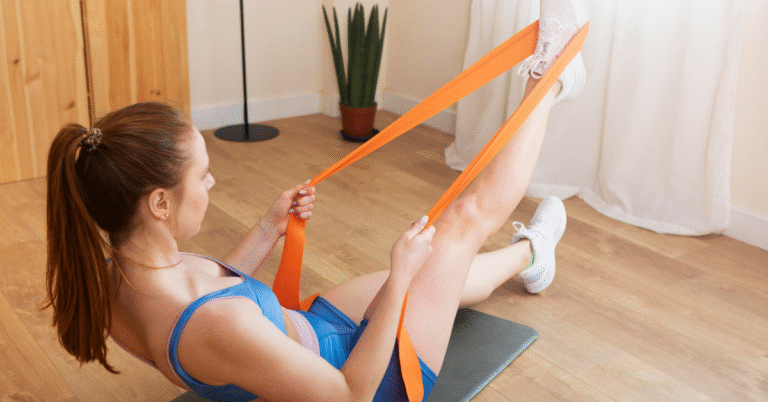
One of the main reasons people love circuit training is because it is so flexible. You can design a circuit based on your fitness level, your goals, or even the equipment you have available. You can do it at the gym, at home, or outside in a park. You don’t need expensive machines — even simple bodyweight exercises can create a powerful workout. Another reason for its popularity is that it keeps boredom away. Because you keep switching exercises, the workout feels active, fun, and engaging, which helps you stay consistent.
Understanding How Circuit Training Works
The Structure of a Circuit
The structure of circuit training is simple, which is why many beginners find it easy to start. A typical circuit includes around 6 to 12 exercises. You perform each exercise for a certain amount of time or a set number of reps. After completing all exercises, you take a short break and then repeat the circuit. Most people finish 2 to 5 rounds depending on how challenging they want their workout to be. This setup helps your body build strength, burn fat, and stay active throughout the session.
Types of Circuit Formats
Time-Based Circuits
In a time-based circuit, you perform each exercise for a set duration, like 30 or 45 seconds. You rest for a short time, usually 10–20 seconds, before moving to the next station. This type is great for beginners because they don’t have to count reps.
Repetition-Based Circuits
In this circuit, you perform a specific number of repetitions, like 10 push-ups or 15 squats, before going to the next exercise. This is ideal for people who want more strength-focused training.
Hybrid Circuits
Hybrid circuits mix both time and repetitions. For example, you might do jumping jacks for 30 seconds and then complete 10 push-ups. This style adds variety and keeps the workout exciting.
Benefits of Circuit Training
Full-Body Strength and Conditioning
Circuit training helps you train your entire body in a single session. Because you switch between different exercises, you work your upper body, lower body, and core, all in one routine. This improves your strength, flexibility, and overall conditioning without needing separate workouts for each muscle group.
Improves Cardio and Endurance
Since you move quickly from one exercise to another, your heart rate stays high throughout the workout. This improves your cardiovascular health and builds your stamina. Over time, you will notice that everyday tasks become easier and you feel more energetic.
Great for Weight Loss
Circuit training is an excellent choice for people who want to lose weight. It burns a high number of calories in a short time and boosts your metabolism. As a result, your body continues to burn calories even after your workout is finished.
Ideal for Busy People
Many people don’t have hours to spend at the gym. With circuit training, you can complete a full workout in just 20–30 minutes. It saves time while still giving you great results.
Types of Circuit Training Circuits
Strength-Focused Circuits
These circuits include exercises like squats, push-ups, lunges, and dumbbell presses. They help you build muscle and increase strength.
Cardio Circuits
Cardio-focused circuits include movements like jumping jacks, high knees, and burpees. They help improve endurance and burn calories quickly.
HIIT Circuits
HIIT circuits combine high-intensity exercises with short rest periods. These circuits are perfect for burning fat and improving stamina.
Sports-Specific Circuits
These circuits are made for athletes who want to improve speed, agility, and performance in their specific sport.
How to Build Your Own Circuit Training Routine
Step 1 – Set Your Fitness Goal
Before creating your circuit, you should know what you want to achieve. Are you trying to lose weight, build muscle, or improve cardio? Your goal will guide the type of exercises you choose.
Step 2 – Choose the Right Exercises
A good circuit includes a mix of upper-body, lower-body, core, and cardio movements. This ensures that different muscle groups are worked evenly and safely.
Step 3 – Decide Work/Rest Periods
Beginners can start with 30 seconds of work and 20 seconds of rest. As you get stronger, you can increase the work time and reduce the rest time.
Step 4 – Create a Balanced Flow
Make sure your exercises flow well. For example, avoid doing two very intense leg exercises back-to-back in the beginning, as your legs may get tired too quickly.
Best Exercises to Include in Circuits
Upper Body Exercises
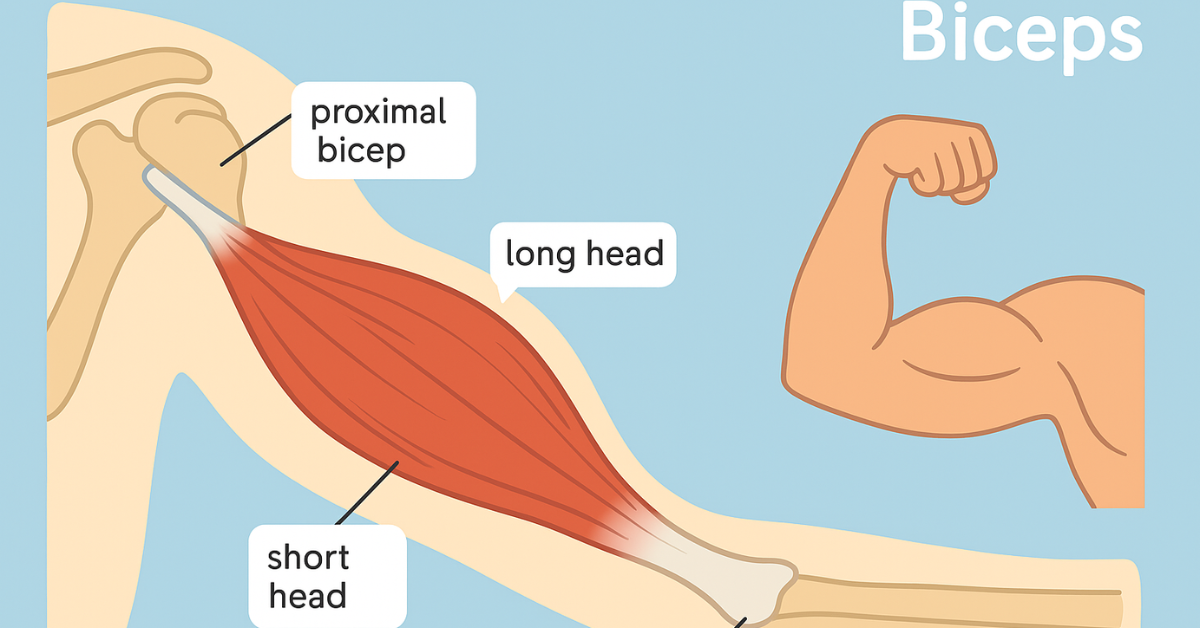
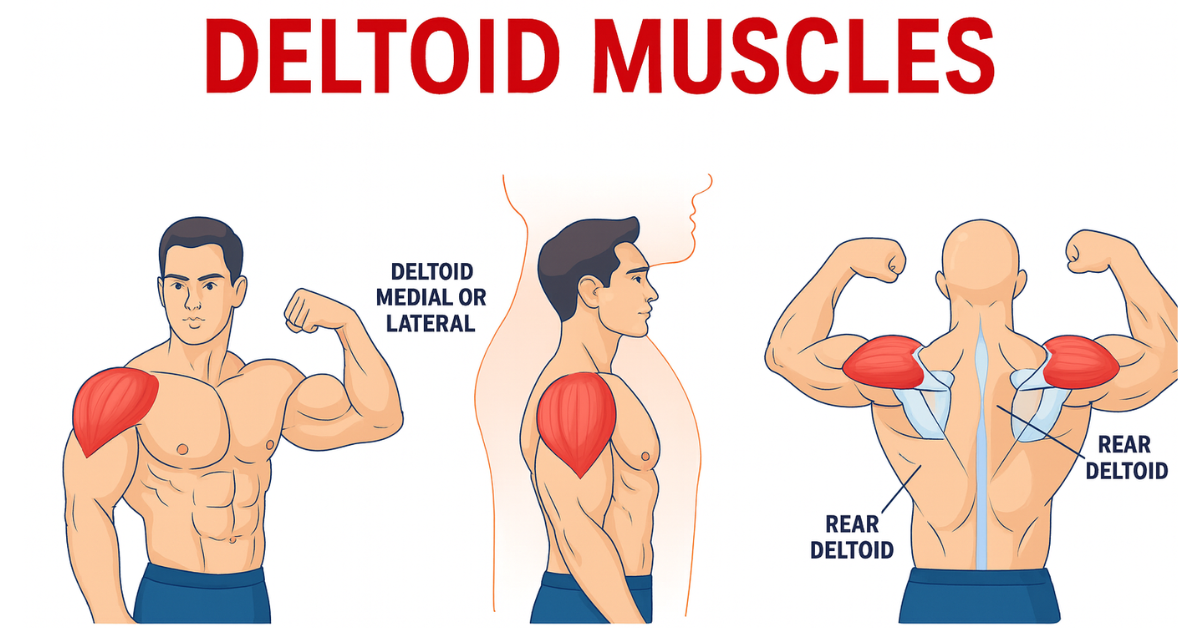
Push-ups, shoulder presses, bicep curls, and tricep dips work your arms, chest, and shoulders.
Lower Body Exercises
Squats, lunges, calf raises, and glute bridges target your legs and glutes.
Core Exercises
Planks, bicycle crunches, and Russian twists strengthen your abs and lower back.
Cardio Movements
Burpees, jumping jacks, and high knees increase your heart rate and help you burn calories fast.
Sample Circuit Training Circuits
Beginner-Friendly Circuit
- 30 seconds squats
- 30 seconds push-ups
- 30 seconds glute bridges
- 30 seconds plank
Rest for 1 minute, then repeat 3 times.
Fat-Burning Circuit
- 45 seconds burpees
- 45 seconds mountain climbers
- 45 seconds jump squats
Rest for 1 minute, then repeat 4 times.
Muscle-Building Circuit
- 12 reps dumbbell squats
- 12 reps bench press
- 12 reps dumbbell rows
- 12 reps shoulder press
Repeat for 3–5 rounds.
At-Home Circuit (No Equipment)
- Jumping jacks
- Push-ups
- Lunges
- Plank
Repeat 3–4 times.
Tips for Better Circuit Training Results
Maintain Proper Form
Good form helps prevent injuries and improves your workout results. Focus on quality, not speed.
Track Your Progress
Write down reps, rounds, and rest times so you can see your improvement over time.
Adjust Intensity Over Time
As your strength grows, increase your reps, add weights, or shorten your rest time to keep progressing.
Common Mistakes to Avoid
Overtraining
Doing too many circuits without rest can harm your muscles. Always allow your body to recover.
Poor Exercise Selection
Choose exercises that match your fitness level. Avoid copying advanced workouts if you’re a beginner.
Not Warming Up Properly
A quick warm-up prepares your muscles and joints, reducing the risk of injury.
Conclusion
Circuit training circuits are one of the best ways to improve fitness, build strength, and burn calories in a short amount of time. They are easy to customize, fun to perform, and suitable for beginners as well as advanced athletes. With the right mix of exercises and consistency, you can enjoy amazing results. The best part is that you don’t need fancy equipment or a gym membership — you can do circuit training anywhere. Start today and experience the difference this simple yet powerful workout method can make in your life.
FAQs
1. Can beginners do circuit training?
Yes, beginners can start with simple exercises and short work times.
2. How many days per week should I do circuit training?
Three to four days a week is ideal for most people.
3. Do I need equipment for circuit training?
No, many circuits can be done using only bodyweight exercises.
4. How long should a circuit session last?
A typical session lasts between 20 to 30 minutes.
5. Is circuit training good for weight loss?
Yes, it burns calories fast and increases metabolism, making it great for fat loss.