Does Protein Powder Make You Gain Weight? Complete Guide
Many people ask a common question: does protein powder make you gain weight? This question is very important, especially for those who want to build muscle, lose fat, or maintain a healthy body. Protein powder is one of the most popular supplements in the fitness world, but there is still confusion about how it affects body weight.
The truth is simple: protein powder itself does not directly make you gain weight. Weight gain depends on how many calories you consume compared to how many you burn. However, protein powder can contribute to weight gain if it is used in the wrong way or in large amounts.
In this article, we will explain everything in easy English so you can clearly understand how protein powder works, its benefits, types, and how to use it properly without unwanted weight gain.
What is Does Protein Powder Make You Gain Weight?
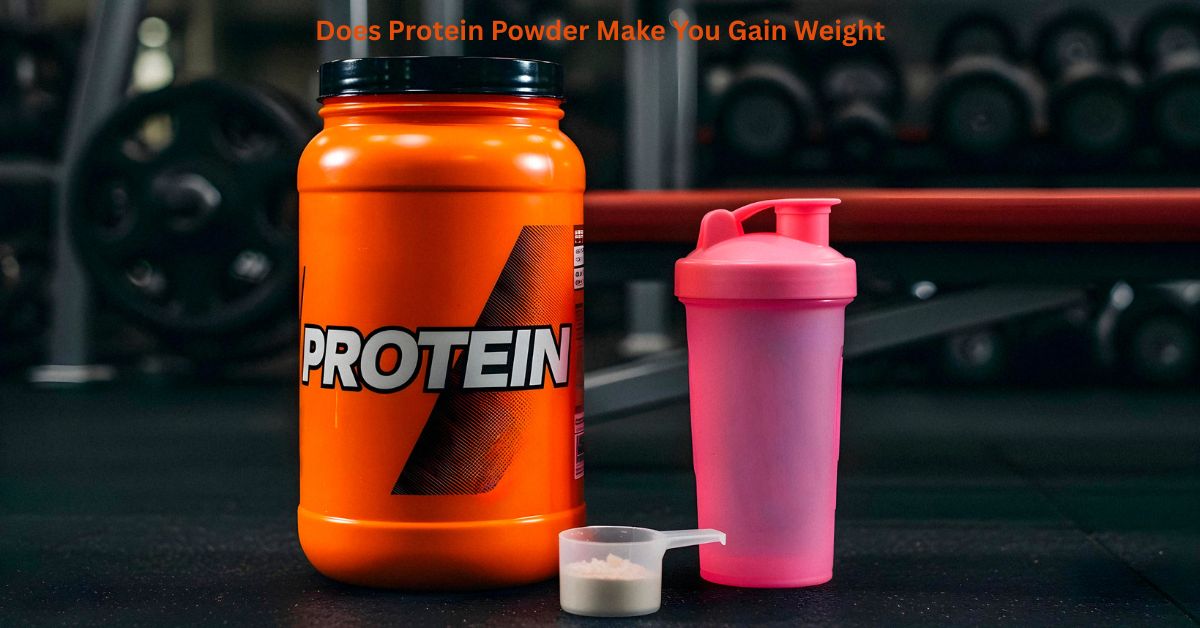
To understand whether protein powder makes you gain weight, you first need to understand what protein powder is. Protein powder is a supplement made from protein-rich foods like milk, eggs, or plants. It is used to help people meet their daily protein needs.
Protein is an essential nutrient that helps build muscles, repair tissues, and support overall health. When you take protein powder, you are simply adding more protein (and calories) to your diet.
Now, here is the key point:
Weight gain happens when you consume more calories than your body needs. Protein powder contains calories, so if you take too much of it without burning those calories, your body will store the extra energy as fat.
However, if you use protein powder correctly—based on your goals—it can actually help with weight loss or muscle gain, not unwanted fat gain.
Benefits of Does Protein Powder Make You Gain Weight
Even though people worry about weight gain, protein powder actually offers many benefits when used properly. Let’s look at some of the main advantages.
1. Helps Build Muscle
Protein is the building block of muscles. When you do workouts like weight training, your muscles need protein to grow. Protein powder provides a quick and easy source of protein, which helps in muscle growth.
2. Supports Weight Loss
Many people don’t know this, but protein can help with weight loss. It keeps you full for a longer time, which reduces hunger and overeating. If you replace unhealthy snacks with protein shakes, you may lose weight instead of gaining it.
3. Improves Recovery
After exercise, your body needs nutrients to recover. Protein powder helps repair muscles faster and reduces soreness. This allows you to stay consistent with your workouts.
4. Convenient and Easy to Use
Protein powder is very easy to prepare. You just mix it with water or milk, and it is ready in seconds. This makes it perfect for people who have a busy lifestyle and cannot cook protein-rich meals every time.
5. Helps Underweight People Gain Healthy Weight
If someone is underweight, protein powder can be helpful. When combined with a calorie-rich diet, it can support healthy weight gain by increasing muscle mass rather than just fat.
Types of Does Protein Powder Make You Gain Weight
There are different types of protein powders available in the market. Each type has a different effect depending on your goal.
1. Whey Protein
Whey protein is the most popular type. It is made from milk and is quickly absorbed by the body. It is great for muscle building and post-workout recovery. It usually does not cause weight gain unless taken in excess.
2. Casein Protein
Casein protein is also made from milk but digests slowly. It provides a steady release of protein over time. It is often taken at night and can help maintain muscle without adding extra fat.
3. Plant-Based Protein
This type is made from plants like peas, soy, or rice. It is ideal for vegetarians or people who cannot consume dairy. It usually has fewer calories, which makes it a good option for weight control.
4. Mass Gainers
Mass gainers are different from regular protein powders. They contain high calories, carbohydrates, and protein. These are designed specifically for people who want to gain weight. If you take mass gainers without proper need, you may gain unwanted fat.
5. Egg Protein
Egg protein powder is another high-quality option. It is easy to digest and supports muscle growth without too many extra calories.
How to Use
Using protein powder correctly is very important if you want to avoid unnecessary weight gain. Here are some simple guidelines.
First, calculate your daily protein needs. Most people need around 0.8 to 1.5 grams of protein per kilogram of body weight, depending on activity level.
Second, use protein powder as a supplement, not a replacement for real food. Whole foods like chicken, eggs, and lentils should still be your main protein sources.
Third, take protein powder at the right time. The best time is after a workout when your muscles need nutrients. You can also take it in the morning or between meals.
Fourth, pay attention to your total calorie intake. If your daily calories are too high, even healthy foods can cause weight gain.
Tips for Best Results
To get the best results from protein powder and avoid unwanted weight gain, follow these useful tips.
1. Choose the Right Type
If your goal is weight loss, go for low-calorie protein like whey isolate or plant-based protein. Avoid mass gainers unless you want to gain weight.
2. Control Portion Size
Do not take more than the recommended serving. One scoop is usually enough for most people. Taking more will only increase your calorie intake.
3. Mix with Water Instead of Milk
Milk adds extra calories. If you are trying to lose weight, mix your protein powder with water instead.
4. Stay Active
Exercise regularly. Protein works best when combined with physical activity. Without exercise, extra calories may turn into fat.
5. Maintain a Balanced Diet
Do not depend only on protein shakes. Eat a balanced diet with vegetables, fruits, healthy fats, and carbohydrates.
6. Track Your Progress
Keep an eye on your weight and body shape. If you notice unwanted weight gain, adjust your diet and protein intake.
Conclusion
So, does protein powder make you gain weight? The answer is no—unless you consume more calories than your body needs. Protein powder is just a supplement, and its effect depends on how you use it.
If used properly, protein powder can help you build muscle, lose fat, and improve overall health. But if you take it in large amounts without exercise or calorie control, it may lead to weight gain.
The key is balance. Use protein powder wisely, follow a healthy diet, and stay active. This way, you can enjoy all the benefits without worrying about unwanted weight gain.