
FUPA Explained: Causes, Treatments, and How to Reduce It Naturally
What Is FUPA?
FUPA stands for Fat Upper Pubic Area. It refers to the layer of fat that sits just above the pubic bone and below the lower abdomen. This area can appear as a small pouch or bulge, even in people who are otherwise slim.
Where FUPA Is Located on the Body
FUPA Explained is located in the lower belly region, right above the pubic area. It’s often more noticeable when wearing tight clothes like jeans, leggings, or swimsuits.
Why Is It Called FUPA?
Medical vs. Popular Terminology
While “FUPA” is a popular slang term, medically it’s often referred to as mons pubis fat. Doctors usually avoid the slang term, but online and in everyday conversation, FUPA is widely used.
Is FUPA a Medical Condition?
No, FUPA is not a disease or medical condition. It’s a natural body feature and varies from person to person. In most cases, it’s completely harmless.
Common Causes of FUPA
Weight Gain and Fat Storage
One of the main causes of FUPA is overall weight gain. The body stores fat differently for everyone, and for some people, the lower abdomen is a prime storage spot.
Hormonal Imbalance
Hormones play a big role in fat distribution. Estrogen, cortisol, and insulin levels can influence how and where fat is stored, making FUPA more noticeable.
Pregnancy and C-Section
Pregnancy stretches the abdominal area, and C-sections can change how fat and skin sit in the lower belly. Many women notice FUPA after childbirth, even years later.
Genetics and Body Structure
Sometimes, it’s simply in your DNA. If close family members have FUPA Explained, chances are you might have it too, regardless of weight.
Aging and Skin Elasticity
As we age, skin loses elasticity and muscle tone decreases. This can cause fat to sag and collect in areas like the upper pubic region.
Is FUPA Normal?
FUPA in Women
Yes, FUPA is extremely common in women. Female bodies are naturally designed to store fat in the lower abdomen to protect reproductive organs.
FUPA in Men
Men can also have FUPA Explained, though it’s discussed less often. In men, it’s usually linked to weight gain or hormonal changes.
Health Risks Associated With FUPA
Physical Health Concerns
FUPA Explained itself isn’t dangerous. However, if it’s linked to excess visceral fat, it may signal broader health issues like insulin resistance or metabolic imbalance.
Mental and Emotional Impact
For many people, FUPA Explained affects self-confidence. Feeling uncomfortable in your own body can lead to stress, anxiety, or low self-esteem.
How to Reduce FUPA Naturally
Diet Changes That Help
There’s no magic food to target FUPA, but a balanced diet helps reduce overall body fat:
- Eat lean protein
- Reduce sugar and refined carbs
- Increase fiber intake
- Stay hydrated
Think of fat loss like melting ice—it melts evenly, not in one spot.
Best Exercises for FUPA
Core Strengthening Movements
Exercises that strengthen the core can improve muscle tone:
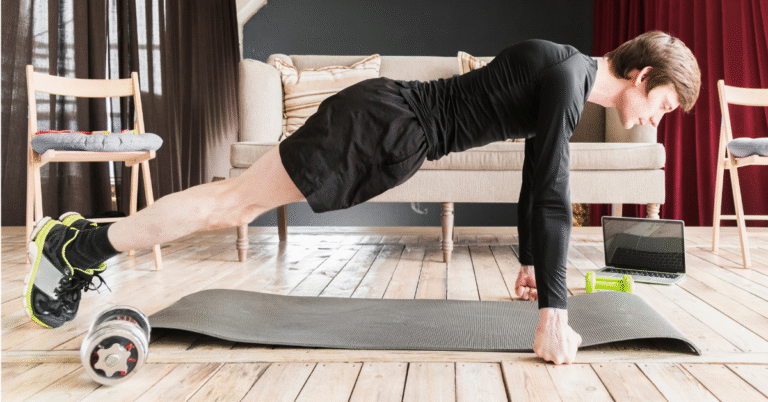
- Planks
- Leg raises
- Mountain climbers
- Reverse crunches
Cardio and Fat Loss
Cardio burns calories and reduces total body fat:
- Brisk walking
- Cycling
- Swimming
- HIIT workouts
Lifestyle Habits That Matter
- Get enough sleep
- Manage stress
- Avoid crash dieting
- Stay consistent
Small habits, done daily, create big changes over time.
Medical and Cosmetic Treatments for FUPA
Non-Surgical Options
- CoolSculpting
- Radiofrequency skin tightening
- Laser fat reduction
These treatments can reduce fat and tighten skin with minimal downtime.
Surgical Procedures
- Liposuction
- Monsplasty
Surgery is usually considered only when lifestyle changes don’t work and should always be discussed with a qualified professional.
Benefits of Addressing FUPA
Physical Benefits
- Better posture
- Improved mobility
- More comfort in clothing
Confidence and Self-Esteem
Reducing FUPA often boosts body confidence. Feeling good in your own skin can positively affect relationships, work, and mental health.
Future Scope: FUPA Awareness and Body Positivity
Changing Beauty Standards
The conversation around FUPA is shifting. More people are embracing natural bodies and rejecting unrealistic beauty ideals.
Focus on Health Over Appearance
The future is about health first, looks second. A strong, healthy body matters more than a flat stomach.
Conclusion
FUPA is a normal and common part of the human body. Whether caused by genetics, hormones, pregnancy, or weight changes, it doesn’t define your health or worth. While natural methods like diet, exercise, and lifestyle improvements can help reduce FUPA, acceptance and body confidence are just as important. The goal isn’t perfection—it’s feeling healthy, strong, and comfortable in your own skin.
FAQs
1. Can you spot-reduce FUPA with exercise?
No, spot reduction isn’t possible. Fat loss happens overall, not in one specific area.
2. How long does it take to reduce FUPA naturally?
It depends on consistency, diet, exercise, and genetics. Results may take weeks or months.
3. Is FUPA always caused by weight gain?
No. Hormones, pregnancy, and genetics can cause FUPA even in slim individuals.
4. Are medical treatments for FUPA safe?
Most are safe when performed by licensed professionals, but they carry risks and costs.
5. Should I be worried if I have FUPA?
Not at all. FUPA is normal and usually not a health concern.