
RDL Muscles Worked: Easy Guide for Beginners
The Romanian Deadlift (RDL) is a very popular exercise for people who want to build strong legs, glutes, and lower back. Many people do RDLs because they help make the body strong, improve balance, and shape the lower body nicely. If you want to grow your hamstrings, make your butt stronger, or support your back, the RDL is a great exercise. In this easy guide, we will explain which muscles the RDL works, why they are important, and how to do the exercise safely for the best results.
What Is an RDL?
The Romanian Deadlift, or RDL, is a type of lifting exercise. In this exercise, you bend at your hips while keeping your back straight and knees slightly bent. You hold a barbell, dumbbells, or kettlebells and slowly lower them down your legs until you feel a stretch in your hamstrings. Then, you stand back up. Unlike a normal deadlift, the RDL does not start from the floor, which makes it easier to control. This slow, controlled movement helps you target certain muscles better. Beginners and advanced lifters both like RDLs because they build strength safely and improve your body’s balance and posture.
Main Muscles Worked in the RDL
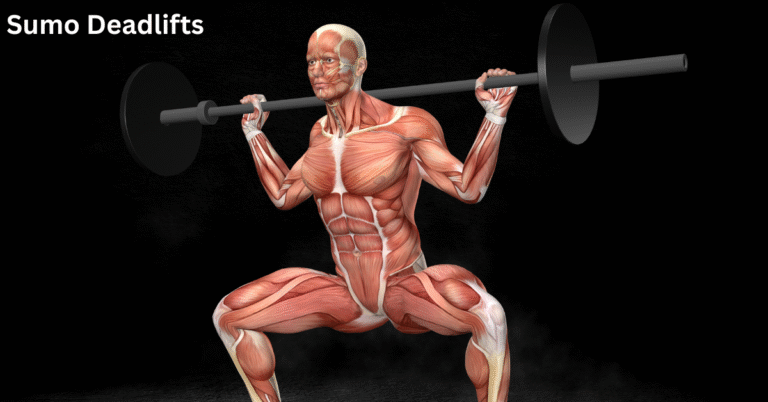
The RDL works many muscles at the same time. Some muscles do most of the work, while others help with balance and support. Let’s look at the main muscles.
1. Hamstrings (Back of Thighs)
The hamstrings are the main muscles worked during the RDL. They are at the back of your thighs. When you lower the weight, your hamstrings stretch, and when you stand back up, they tighten. This helps make them stronger and more flexible. Strong hamstrings are important for running, jumping, and sports. They also reduce the chance of injury. Doing RDLs regularly can make your legs stronger and more toned.
2. Glutes (Butt Muscles)
The glutes are another main muscle used in the RDL. When you stand back up, your glutes push your hips forward. This makes your butt stronger and firmer. Strong glutes help with daily activities like climbing stairs, lifting objects, and standing tall. Weak glutes can cause your lower back or hamstrings to get hurt. The RDL is one of the best exercises to make your glutes stronger and better shaped.
3. Lower Back (Erector Spinae)
The lower back muscles, or erector spinae, help keep your spine straight during the RDL. They do not lift the weight directly, but they stabilize your body. Strengthening these muscles can prevent back pain, improve posture, and make your core stronger. If you sit for long hours, weak lower-back muscles can cause pain. Doing RDLs helps make your lower back stronger and safer for everyday life.
4. Core Muscles
The core muscles include your stomach, obliques, and deep muscles around the spine. These muscles help keep your body stable during the RDL. When your core is tight, your back stays straight and your body moves safely. Strong core muscles also help with balance and make other exercises easier. Beginners often forget the core, but it is very important for a safe and effective RDL.
5. Forearms and Grip Muscles
Holding the weights during the RDL works your forearms and grip muscles. These muscles help you hold the bar or dumbbells without dropping them. Strong forearms and grip make other exercises like pull-ups, rows, and heavy lifting easier. They also help in everyday tasks like carrying groceries or lifting bags
6. Upper Back (Traps and Rhomboids)
Your upper back muscles, like the trapezius and rhomboids, help keep your shoulders back and chest up during the RDL. They stop your shoulders from rounding forward. These muscles also help improve posture and keep your back safe. Even though they are not the main muscles, they play an important supporting role.
Other Muscles Helped by the RDL
Besides the main muscles, RDLs also work other smaller muscles for support and balance, such as:
- Adductors (inside thighs) for hip stability
- Calves to support your feet and balance
- Lats (side back muscles) for shoulder control
- Upper spinal stabilizers for posture
These muscles make the RDL a full lower-body exercise that works many parts of your body at once.
Why RDL Is a Great Exercise
The RDL is one of the best exercises because it works many muscles together. It burns calories, makes you stronger, and improves balance. It also teaches proper hip movement, which is important for lifting and everyday activities. People who do RDLs regularly get better posture, stronger hamstrings and glutes, and fewer injuries. That is why both beginners and advanced lifters include RDLs in their workouts.
How To Do the RDL Correctly
Doing the RDL properly is very important. Follow these simple steps:
- Stand with feet shoulder-width apart, holding a barbell or dumbbells.
- Keep knees slightly bent, chest up, and back straight.
- Push your hips backward while lowering the weights down your legs.
- Lower until you feel a stretch in your hamstrings. Do not go too low.
- Keep your core tight and back straight all the time.
- Stand up by pushing your hips forward and squeezing your glutes at the top.
Do each movement slowly and controlled. This will make the exercise safer and more effective.
Benefits of Strengthening RDL Muscles
Strengthening the muscles used in the RDL gives many benefits:
- Better posture and stronger back
- Stronger legs, glutes, and hamstrings
- Improved balance and stability
- Less chance of injury in daily life and sports
- More flexible hamstrings and hips
- Stronger core for lifting and everyday tasks
The RDL is one of the few exercises that work so many important muscles at once. It can make your body stronger, more balanced, and healthier overall.
Conclusion
The RDL muscles worked include the hamstrings, glutes, lower back, core, upper back, forearms, and grip muscles. Each muscle helps make your body stronger, safer, and more stable. Doing RDLs regularly can help you build stronger legs, a firmer butt, a stronger back, and a tighter core. It is a simple exercise that gives big results when done correctly. Remember to keep your back straight, move slowly, and focus on the muscles you are working. If you do that, the Romanian Deadlift can be one of the best exercises in your workout routine.