Sumo Deadlifts: A Complete Guide for Strength, Muscle Growth & Safe Lifting
The sumo deadlift is one of the most effective exercises for building strength, improving muscle growth, and increasing overall power. Unlike conventional deadlifts, the sumo deadlift uses a much wider stance, where your feet are placed far apart and your hands grip the bar inside your legs. This position allows you to lift heavy weights safely while reducing stress on your lower back. It is popular among powerlifters, bodybuilders, and general fitness enthusiasts because it not only strengthens the legs, glutes, and hips but also improves overall body control and stability. In this guide, we will explain everything you need to know about sumo deadlifts, including benefits, muscles worked, proper technique, common mistakes, variations, and who should perform them.
What Are Sumo Deadlifts?
The sumo deadlift is a variation of the conventional deadlift, but it differs in stance and mechanics. In this lift, your feet are placed much wider than shoulder-width, and your hands grip the bar inside your legs. This stance is similar to the one used by sumo wrestlers, which is why the lift got its name. The wider stance allows for a more upright torso position, which reduces the strain on your lower back. It also shortens the distance the bar must travel, making it easier for some lifters to pull heavier weights. The sumo deadlift focuses more on the hips and legs than the traditional deadlift, making it ideal for lifters who want to strengthen these areas or reduce stress on the lower back. Overall, this variation is a powerful tool for building total-body strength safely and effectively.
Step-by-Step Guide: How to Perform the Sumo Deadlift
Performing sumo deadlifts correctly is very important to prevent injuries and get the maximum benefits from the exercise. Here is a step-by-step guide to help you do it properly:
1. Set Your Feet and Stance
Start by standing with your feet wide, much wider than your shoulders. The toes should point slightly outward at an angle of 30–45 degrees. Your stance should feel natural, and your knees should track in the same direction as your toes. A wider stance activates your hips and inner thighs more than a narrow stance, which helps with lifting heavier weights and maintaining balance throughout the movement. Take a moment to adjust your stance so that it feels comfortable before picking up the bar.
2. Grip the Barbell
Bend your knees slightly and push your hips back to reach the barbell. Your hands should grip the bar inside your knees, not outside. You can use a double-overhand grip, a mixed grip (one hand over, one hand under), or a hook grip depending on your preference and comfort. Keeping your hands close to your body ensures stability and allows the bar to travel in a straight path. A proper grip also reduces the risk of dropping the bar or straining your wrists and forearms.
3. Bring Your Hips Down and Chest Up
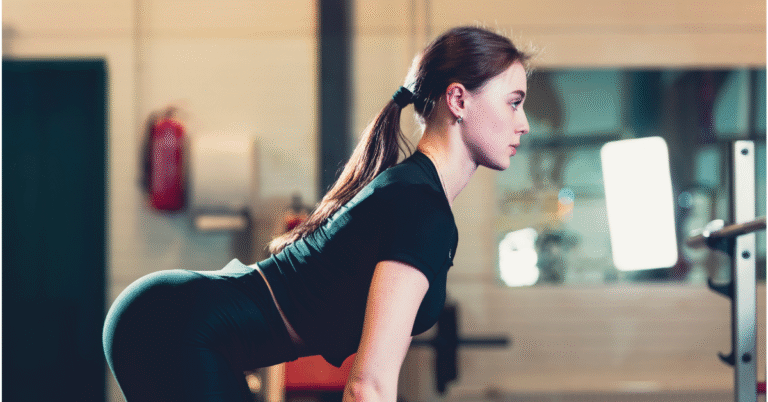
Lower your hips until your shins touch the bar and lift your chest up. Engage your core, tighten your lats, and keep your back straight. Your torso should be more upright than in a conventional deadlift. This position helps protect your lower back and allows you to push more power through your legs and hips. It also ensures that the lift is safe for beginners and lifters with back problems.
4. Drive Through Your Feet
Push through your feet as if you are trying to spread the floor apart. Your legs and hips should work together to lift the bar smoothly off the ground. Keep the bar close to your body and avoid letting it drift forward. Proper leg drive is essential for lifting heavy weights safely. Focus on using your hips and legs rather than pulling with your back, as this reduces strain on your spine and improves lifting efficiency.
5. Lock Out at the Top
Once the bar passes your knees, fully extend your hips and stand tall. Squeeze your glutes at the top to fully engage your muscles. Avoid leaning back or overextending your spine. The lockout should be controlled and stable. A proper lockout ensures that your muscles are fully engaged and that the lift is completed safely.
6. Lower the Bar Slowly
Return the bar to the floor by pushing your hips back first and then bending your knees. Maintain control throughout the movement instead of dropping the bar. Lowering the weight slowly helps prevent injuries and trains your muscles more effectively. Always focus on good form, even during the lowering phase, as this builds strength and stability.
Muscles Worked in Sumo Deadlifts
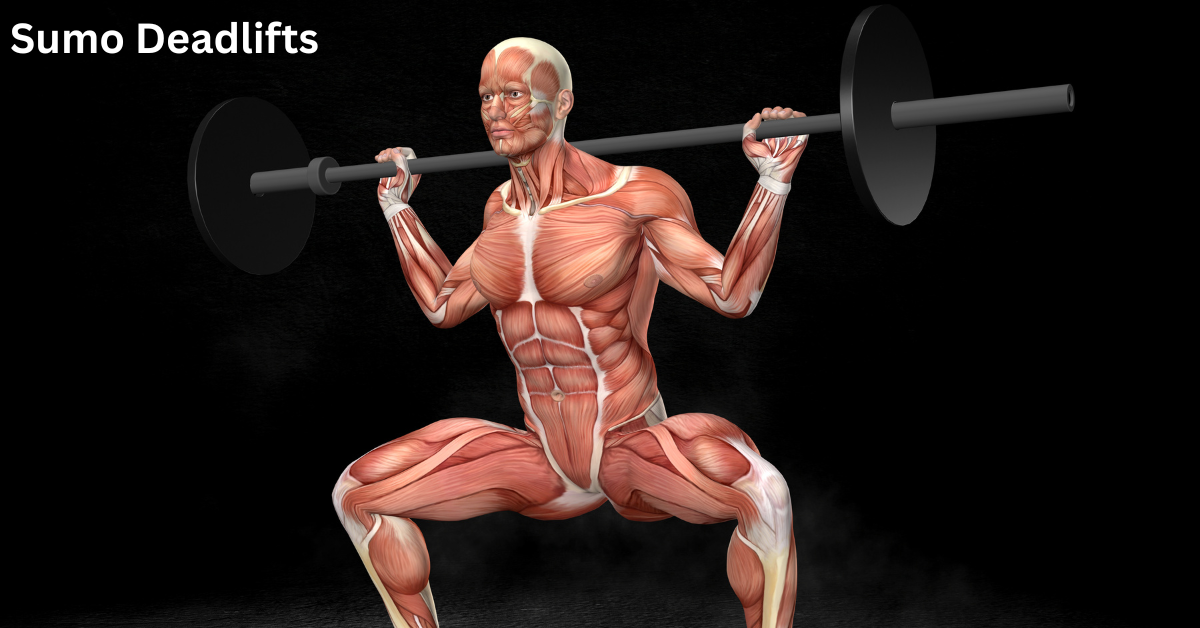
The sumo deadlift is a full-body exercise that works several major muscle groups. Here is a detailed explanation of the muscles involved:
1. Glutes
The glutes are heavily involved in hip extension and play a major role in lifting the bar to a standing position. Strong glutes improve overall power, stability, and posture.
2. Quadriceps
Your quads assist in pushing the floor away during the initial lift. The wide stance and upright torso emphasize leg strength, making the sumo deadlift more leg-dominant than the conventional deadlift.
3. Hamstrings
Although the hamstrings are less stretched than in a conventional deadlift, they still stabilize the hips and assist in pulling the bar upward. They help maintain proper form and prevent injury.
4. Adductors (Inner Thighs)
The wide stance of the sumo deadlift activates your inner thighs to maintain balance and power. This is one of the main differences from conventional deadlifts and helps strengthen a unique set of muscles.
5. Lower Back (Erector Spinae)
Your lower back muscles work to keep the spine straight and support the lift. This helps prevent rounding of the back and protects the spine during heavy lifting.
6. Traps and Forearms
Your traps stabilize the bar at the top of the lift, and your forearm muscles are used to grip the bar tightly. Both play an important role in overall strength and control.
Benefits of Sumo Deadlifts
1. Reduced Lower Back Stress
The more upright position puts less pressure on your lower back, making it safer for people with spinal issues or beginners learning to deadlift.
2. Stronger Hips and Legs
Because the lift emphasizes leg and hip involvement, it helps develop more powerful quadriceps, glutes, and inner thighs. This strengthens your lower body for other exercises and athletic movements.
3. Shorter Range of Motion
The bar travels a shorter distance than in conventional deadlifts, making it easier to lift heavier weights. This can help improve strength and confidence in lifting.
4. Perfect for Powerlifting
Sumo deadlifts are allowed in powerlifting competitions. Many lifters use this style to increase their total lift numbers while maintaining safety and efficiency.
5. Better Flexibility and Mobility
The wide stance encourages hip opening and stretches your inner thighs. Over time, this improves flexibility, mobility, and body control.
Common Mistakes to Avoid
Even experienced lifters make mistakes with sumo deadlifts. Avoid these common errors:
- Hips Rising Too Fast: Letting the hips rise before the bar leaves the ground shifts the work to your back instead of legs and hips.
- Rounded Back: Always keep your spine neutral to reduce injury risk.
- Bar Too Far from Shins: The bar should stay close to your legs throughout the lift.
- Incorrect Foot Angle: Toes should point slightly outward so your knees track naturally.
- Not Driving Through Legs: Focus on pushing the floor rather than pulling with your back.
Sumo Deadlift Variations
- Deficit Sumo Deadlift: Stand on a small plate to increase range of motion and leg strength.
- Pause Sumo Deadlift: Pause just above the floor to improve explosive strength.
- Block Pull Sumo Deadlift: Lift from blocks to focus on lockout strength and glute activation.
Who Should Do Sumo Deadlifts?
Sumo deadlifts are ideal for many lifters, including:
- Beginners struggling with conventional deadlifts
- People with long legs or short torsos
- Lifters with lower-back pain
- Athletes wanting stronger hips and legs
- Powerlifters improving their total
- Bodybuilders focusing on glute and leg growth
Almost anyone can benefit from sumo deadlifts if performed correctly, making it a versatile exercise for all levels.
Final Thoughts
The sumo deadlift is an excellent, safe, and highly effective exercise for building total-body strength. It emphasizes the hips, glutes, and legs while reducing stress on the lower back. Proper technique, attention to detail, and consistency will help you maximize strength, improve muscle growth, and increase overall lifting performance. Adding sumo deadlifts to your routine is a smart choice for lifters of all levels who want to build power, improve stability, and enhance overall body strength.