Weight Vest Training Exercises: A Simple Guide to Build Strength and Fitness
Weight vest training is a great way to make your workouts stronger and more effective. A weight vest is a vest you wear that has extra weight in it. When you exercise wearing a weight vest, your muscles work harder, your heart beats faster, and you burn more calories. This type of training can help you get stronger, improve endurance, and burn fat faster. You don’t need heavy machines or extra equipment to get results. Weight vest exercises are good for everyone, from beginners to advanced athletes. In this guide, we will explain the best weight vest training exercises, their benefits, and tips to do them safely at home or in the gym.
What Is Weight Vest Training?
Weight vest training means doing exercises while wearing a vest that has extra weight. Vests come in many sizes and weights, from just a few pounds to heavier options. The extra weight makes your body work harder during every movement. For example, walking, squatting, or doing push-ups with a vest is harder than doing them without. This helps your muscles grow stronger, improves endurance, and burns more calories. People use weight vests for strength workouts, cardio exercises, and sports training. Weight vest training is flexible and can be used at home, outside, or in the gym.
Benefits of Weight Vest Training
Using a weight vest has many benefits for your body. First, it makes your workouts harder without needing extra equipment. Second, it strengthens your muscles faster because every exercise is more challenging. Third, wearing a vest during walking, running, or stairs helps your heart and lungs get stronger. It also helps improve balance and posture by working your core muscles. Another benefit is that weight vest training can make your bones stronger because resistance helps bones grow healthy. Finally, it helps you burn more calories, which can aid fat loss. Overall, weight vest training gives a complete workout for muscles, endurance, and fitness.
1. Weight Vest Squats
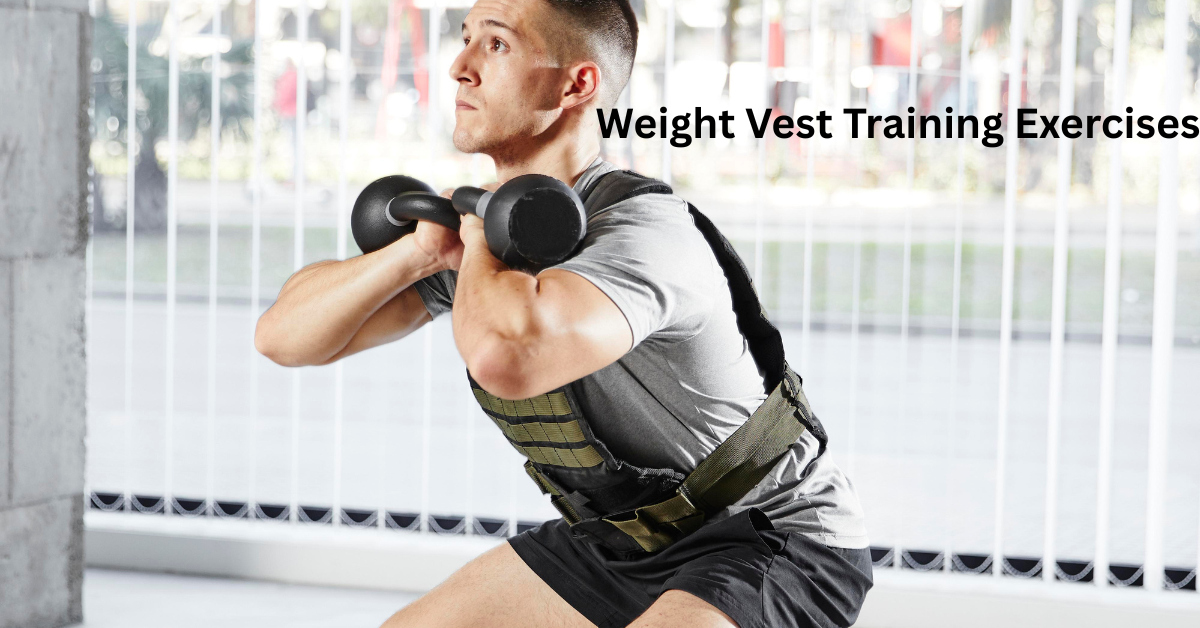
Squats are a great exercise for your legs, hips, and core. Adding a weight vest makes them harder and more effective. To do a weight vest squat, stand with your feet shoulder-width apart. Keep your chest up and slowly bend your knees and hips, like you are sitting on a chair. Lower down until your thighs are parallel to the floor. Push through your heels to stand up again. Beginners should start with light weight to avoid hurting knees or back. Weight vest squats make your legs stronger and help improve balance and core stability.
2. Weight Vest Push-Ups
Push-ups are a classic exercise for the chest, arms, and shoulders. Adding a weight vest makes them harder and stronger for your muscles. Start in a plank position with your hands under your shoulders and your body straight. Lower your chest to the floor, then push back up. The extra weight forces your muscles to work harder. Weight vest push-ups help build upper-body strength and endurance. They are perfect if normal push-ups are too easy and you want a bigger challenge.
3. Weight Vest Lunges
Lunges are good for legs and balance. With a weight vest, they become more challenging. Step forward with one leg and bend both knees until your back knee is close to the floor. Make sure your front knee does not go past your toes. Push through the front heel to return to the starting position. Repeat with the other leg. Walking lunges, side lunges, or reverse lunges are all great options. The vest helps improve leg strength, stability, and muscle endurance.
4. Weight Vest Pull-Ups
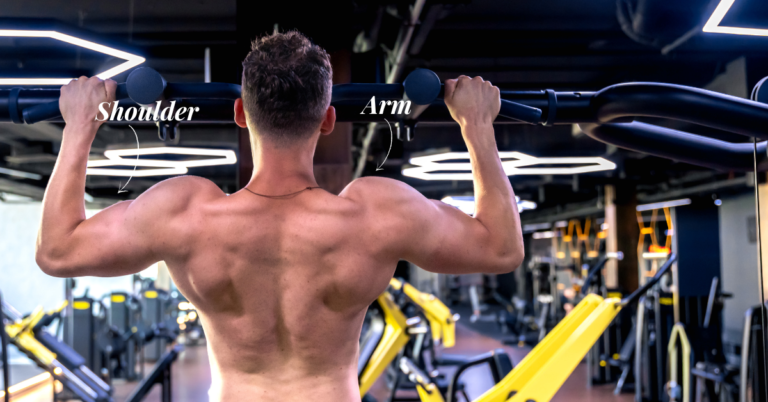
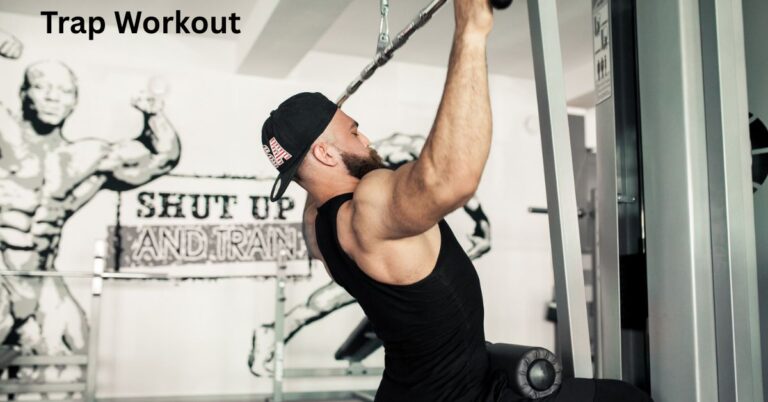
Pull-ups are a tough exercise for the back, shoulders, and arms. A weight vest adds extra resistance, making them even stronger for your muscles. Grab a pull-up bar with your palms facing away from you. Pull yourself up until your chin is above the bar, then lower yourself slowly. If it’s too hard, start with a lighter vest or assisted pull-ups. Weight vest pull-ups build a stronger back, improve arm strength, and increase grip power.
5. Weight Vest Planks
Planks are excellent for your core muscles. Wearing a weight vest makes them even harder. Lie face down and lift your body on your elbows and toes, keeping your body straight from head to heels. Hold this position while keeping your stomach tight. Start with 20-30 seconds and increase over time. Weight vest planks strengthen your core, improve posture, and help prevent back pain.
6. Weight Vest Step-Ups
Step-ups work your legs and improve balance. Wearing a weight vest makes every step harder. Stand in front of a bench or sturdy platform. Step up with one foot, bring the other foot up, then step down. Keep your movements controlled and your core tight. You can increase difficulty by using a higher platform or more repetitions. Step-ups with a vest strengthen legs, glutes, and balance.
7. Weight Vest Running or Walking
Walking or running with a weight vest is an easy way to increase intensity. Even a short walk becomes harder with extra weight. Start with light weights and short distances. Increase slowly as your body gets stronger. This improves heart and lung health, burns more calories, and strengthens legs and core. It’s a simple but very effective way to make cardio workouts better.
8. Weight Vest Burpees
Burpees are a full-body exercise that combines strength and cardio. Adding a weight vest makes them more challenging. Start standing, drop into a squat, place your hands on the floor, kick your legs back into a plank, do a push-up, return to a squat, and jump up. The vest makes your muscles work harder in every movement. Burpees with a vest build strength, stamina, and burn a lot of calories quickly.
Safety Tips for Weight Vest Training
Weight vest training is very effective, but safety is important. Always start with a light vest to let your body adjust. Make sure the vest fits well and does not move around. Focus on good form in every exercise to prevent injuries. Increase the weight gradually over time. Listen to your body, and if you feel pain in your knees, back, or joints, stop or reduce the weight. Proper technique and slow progression help you get results safely.
Final Thoughts
Weight vest training exercises are a simple way to make your workouts stronger and more effective. Squats, push-ups, lunges, planks, step-ups, pull-ups, running, and burpees all become more powerful with a weight vest. These exercises help build muscle, improve endurance, burn calories, and strengthen your core. Start with light weights, focus on proper form, and increase the weight gradually. With consistent practice, weight vest training can help you reach your fitness goals faster, get stronger, and improve your overall health.