
Arthritis Prevention: Smart Habits to Protect Your Joints Early
Preventing arthritis might sound impossible, especially since some forms are linked to genetics or autoimmune conditions, but the truth is you can significantly reduce your risk by adopting smart lifestyle habits early on. Think of your joints like a long-term investment. The way you treat them today directly affects how well they perform years down the road.
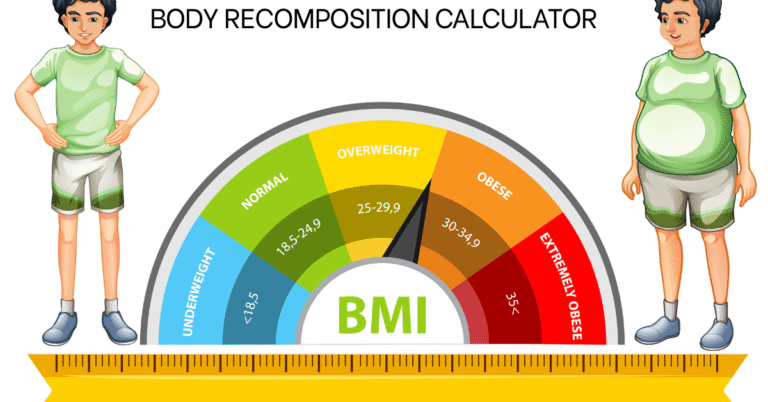
One of the most effective prevention strategies is maintaining a healthy weight. Extra body weight puts unnecessary stress on weight-bearing joints like the knees and hips. Even a small reduction in weight can lower joint pressure dramatically. Pair that with regular physical activity, and you create a strong foundation for joint health. Movement keeps joints lubricated, muscles strong, and inflammation under control.
Posture and body mechanics also play a major role. Whether you’re sitting at a desk or lifting something heavy, using proper alignment reduces strain on your joints. For example, keeping your back straight and using your legs instead of your back when lifting can prevent long-term damage. These small adjustments might seem minor, but over time, they make a huge difference.
The Role of Hydration in Joint Health
You’ve probably heard that drinking water is important but did you know it directly impacts your joints? Cartilage, the cushioning tissue between your joints, is made up of about 70–80% water. When you’re dehydrated, that cushioning becomes less effective, increasing friction and discomfort.
Staying hydrated helps maintain the elasticity and shock-absorbing properties of cartilage. It also supports the production of synovial fluid, which acts like a lubricant for your joints. Imagine trying to run a machine without oil—it would wear down quickly. The same concept applies to your joints.
Aim to drink enough water throughout the day, especially if you’re physically active. Adding hydrating foods like cucumbers, watermelon, and oranges to your diet can also help. Hydration might seem simple, but it’s one of the easiest and most powerful ways to support joint health naturally.
Hormones and Arthritis: What You Should Know
Hormones can have a surprising impact on arthritis, especially in women. For instance, many women notice an increase in joint pain during menopause. This is largely due to a drop in estrogen levels, which plays a role in protecting joints and reducing inflammation.
Hormonal imbalances can also influence autoimmune conditions like rheumatoid arthritis. While you can’t completely control hormonal changes, understanding their effects can help you manage symptoms more effectively. For example, focusing on anti-inflammatory foods, regular exercise, and stress management can help balance your body during these transitions.
If you suspect hormonal changes are affecting your joint health, consulting a healthcare professional can provide valuable insights. Sometimes, a tailored approach can make a significant difference in how you feel day to day.
Arthritis in Different Age Groups
Arthritis is often associated with older adults, but it can affect people at any stage of life. Understanding how it presents in different age groups can help with early detection and better management.
In younger individuals, arthritis is often linked to autoimmune conditions or injuries. Juvenile arthritis, for example, affects children and can impact growth and development if not treated properly. Early diagnosis is crucial to prevent long-term complications.
In middle-aged adults, lifestyle factors like obesity, repetitive stress, and previous injuries become more significant. This is often when osteoarthritis starts to develop. By this stage, preventive measures like exercise and diet become even more important.
For older adults, arthritis is more common due to natural wear and tear. However, this doesn’t mean decline is inevitable. Many seniors maintain active lifestyles by focusing on mobility, strength, and proper medical care.
The Economic Impact of Arthritis
Arthritis doesn’t just affect individuals it has a significant impact on economies worldwide. Healthcare costs, lost productivity, and disability-related expenses add up quickly. In the United States alone, arthritis-related medical costs and lost earnings total hundreds of billions of dollars annually.
This economic burden highlights the importance of prevention and early intervention. When people manage arthritis effectively, they’re more likely to stay active, continue working, and maintain their independence. It’s not just about reducing pain it’s about improving quality of life and reducing long-term costs.
Employers and healthcare systems are increasingly investing in wellness programs and early treatment strategies to address this issue. These efforts not only benefit individuals but also contribute to a healthier, more productive society.
Arthritis and Climate: Does Location Matter?
Have you ever noticed your joints aching more on a cold or rainy day? You’re not alone. Many people with arthritis report increased pain during certain weather conditions. While the exact science isn’t fully understood, changes in barometric pressure may affect joint tissues, leading to discomfort.
Living in a warmer climate may help reduce stiffness for some individuals, but it’s not a guaranteed solution. What matters more is how you manage your condition overall. Dressing appropriately, staying active, and using heat therapy can help counteract weather-related discomfort.
If you live in a colder region, don’t worry you can still manage arthritis effectively. It’s all about adapting your environment and routine to support your joints.
Building a Personalized Arthritis Management Plan
No two people experience arthritis the same way, which is why a personalized approach is essential. What works for one person might not work for another, so it’s important to find a routine that suits your specific needs.
Start by identifying your triggers. Does certain food increase your pain? Does inactivity make your joints stiff? Once you understand your body’s patterns, you can make informed decisions about your lifestyle.
A well-rounded plan typically includes:
- Regular exercise tailored to your ability
- A balanced, anti-inflammatory diet
- Proper medical care and medications
- Stress management techniques
Think of it as building a toolkit. The more tools you have, the better equipped you are to handle different situations.
The Future of Arthritis Care: What Lies Ahead
The future of arthritis care is evolving rapidly, and there’s a lot to be optimistic about. Researchers are exploring innovative treatments like gene therapy, regenerative medicine, and advanced biologics that target specific pathways in the immune system.
Artificial intelligence is also playing a role, helping doctors diagnose arthritis earlier and create more personalized treatment plans. Wearable technology continues to improve, offering real-time insights into movement and joint health.
These advancements could lead to more effective treatments, fewer side effects, and even the possibility of preventing certain types of arthritis altogether. While we’re not there yet, the progress being made is promising and offers hope for millions of people worldwide.
Final Thoughts: Taking Control of Your Joint Health
Arthritis may be a lifelong condition, but it doesn’t define your life. With the right knowledge, habits, and support, you can take control of your joint health and continue doing the things you love.
The key is to stay proactive. Don’t wait for symptoms to worsen before taking action. Start small move more, eat better, and listen to your body. Over time, these small changes add up to big results.
Remember, your joints carry you through life literally. Taking care of them isn’t just about avoiding pain; it’s about preserving your freedom, independence, and quality of life for years to come.