Coreball Training: The Secret to Total Core Fitness and Strength
What Is a Coreball in Fitness?
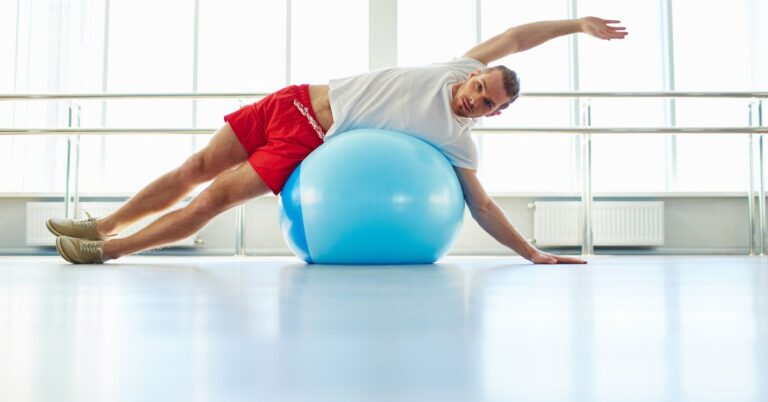
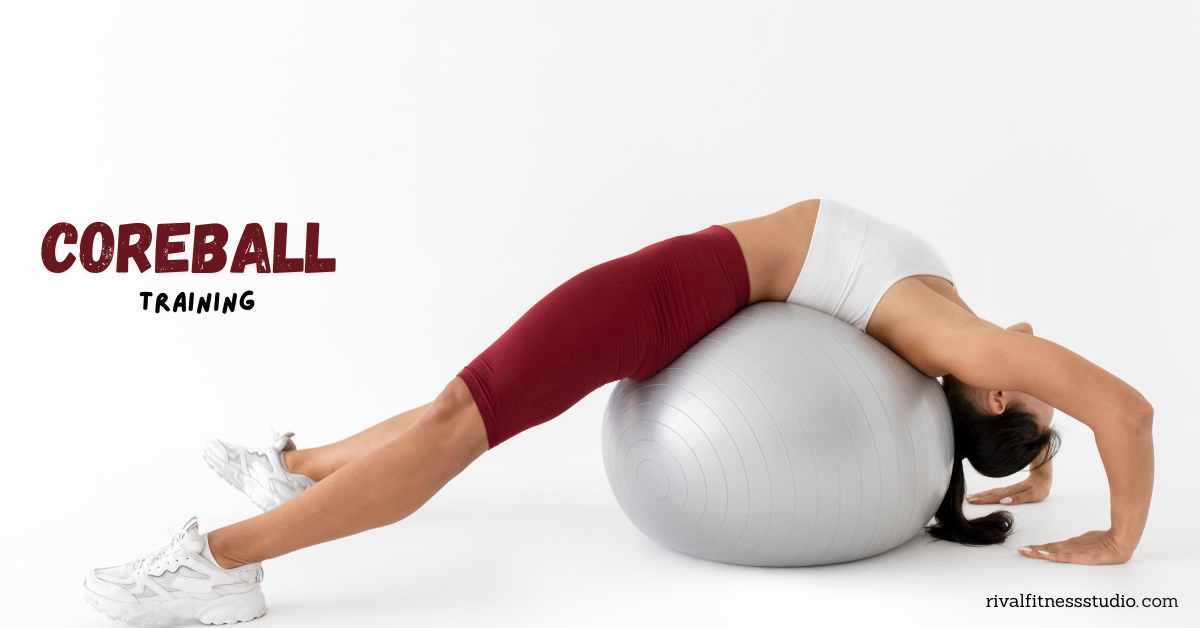
A coreball (often called a stability ball or exercise ball) is one of the most effective and versatile tools used in modern fitness training. It is a large inflatable ball designed to improve core strength, balance, flexibility, and overall body stability. Unlike traditional gym equipment that targets specific muscles in isolation, a coreball activates multiple muscle groups at the same time. When you sit, balance, or perform exercises on the ball, your body must constantly stabilize itself. This automatic engagement strengthens the abdominal muscles, lower back, hips, and even shoulders.
Fitness experts often recommend coreball workouts because they challenge the body in a natural way. Instead of lifting heavy weights, the ball forces your muscles to maintain control and balance. This improves functional strength, which is the type of strength your body uses in everyday activities such as lifting objects, bending, and maintaining posture.
Another major advantage of the coreball is its accessibility. You can use it both in the gym and at home without needing expensive equipment. A single ball can support dozens of exercises that target different parts of the body. Because of its versatility, it is widely used by personal trainers, physiotherapists, and fitness coaches around the world.
Why Coreball Training Is Popular in Modern Fitness
Training has become increasingly popular because it combines strength training, balance training, and flexibility exercises into a single workout. Modern fitness programs focus not only on building muscles but also on improving stability and mobility. Exercises help achieve these goals effectively.
Many professional trainers use in workouts for rehabilitation and injury prevention. The unstable surface of the ball forces the body to activate stabilizing muscles that are often ignored in traditional workouts. These muscles support joints and help prevent injuries during physical activity.
Another reason for its popularity is convenience. A coreball is lightweight, affordable, and easy to store. Whether you are training at home, in a small apartment, or in a professional gym, the ball can easily fit into your workout routine.
How Coreball Works for Core Strength
The main purpose of a coreball is to strengthen the core muscles, which include the abdominals, obliques, lower back, and hips. These muscles act as the body’s central support system. Whenever you move, lift, twist, or bend, your core muscles stabilize the body and maintain balance.
When performing exercises on a coreball, your body must constantly adjust to maintain stability. This forces the core muscles to remain engaged throughout the movement. For example, when doing crunches on it, your abdominal muscles work harder than when performing the same exercise on the floor.
Because of this increased muscle engagement, this workouts can deliver better results in terms of strength, posture improvement, and injury prevention.
Benefits of Coreball Exercises
Improves Core Strength and Stability
One of the most important benefits of coreball training is improved core strength. Strong core muscles support the spine, reduce back pain, and improve posture. Many people suffer from poor posture due to long hours of sitting at desks or using electronic devices. Exercises help counteract these problems by strengthening the muscles responsible for maintaining an upright posture.
In addition to strength, the ball improves stability. The unstable surface forces the body to maintain balance throughout the exercise. This constant engagement strengthens stabilizing muscles that are often neglected in traditional workouts.
Over time, stronger core muscles can lead to improved performance in sports, weightlifting, and daily physical activities.
Enhances Balance and Coordination
Balance and coordination are essential components of overall fitness. Workouts challenge your body to maintain stability while performing movements. This improves the connection between the brain and muscles, enhancing coordination and reaction time.
Athletes often use stability balls to improve their balance because it mimics real-life situations where the body must adapt to changing conditions. For example, running, jumping, or playing sports requires constant adjustments in balance. Training prepares the body for these dynamic movements.
Improved coordination also reduces the risk of falls and injuries, making workouts beneficial for people of all ages.
Supports Full-Body Fitness
Although the name suggests it targets the core, the coreball can actually be used for full-body workouts. Exercises performed on the ball engage the legs, arms, shoulders, chest, and back along with the abdominal muscles.
Because many coreball exercises involve compound movements, they burn more calories than isolated exercises. This makes them useful for weight loss and overall fitness improvement.
For people who want an efficient workout without spending hours in the gym, exercises provide an excellent solution.
How to Use a Coreball Correctly
Choosing the Right Coreball Size
Selecting the correct size of coreball is important for safety and effectiveness. The size of the ball should match your height so that your knees remain at a 90-degree angle when sitting on it.
| Height | Recommended Ball Size |
|---|---|
| Under 5 ft | 45 cm |
| 5 ft – 5 ft 7 in | 55 cm |
| 5 ft 8 in – 6 ft 2 in | 65 cm |
| Above 6 ft 2 in | 75 cm |
Using the correct ball size ensures proper posture and prevents strain on the joints.
Safety Tips for Beginners
Before starting coreball exercises, beginners should follow a few safety guidelines:
- Always use the ball on a non-slippery surface
- Start with basic exercises before advanced movements
- Keep your core engaged during exercises
- Maintain slow and controlled movements
These simple precautions can prevent injuries and make workouts more effective.
Coreball Exercises for Gym Workouts
Coreball Squats
Squats are a great exercise for strengthening the legs, glutes, and core muscles. To perform this exercise, place the ball between your lower back and a wall. Stand with your feet shoulder-width apart and slowly bend your knees while keeping the ball pressed against the wall.
As you squat down, the ball rolls slightly along the wall, providing support and helping maintain proper posture. This reduces strain on the knees while still activating the leg muscles. Return to the standing position and repeat the movement for 10–15 repetitions.
This exercise is commonly used in gyms because it is safe for beginners while still providing an effective lower-body workout.
Coreball Plank
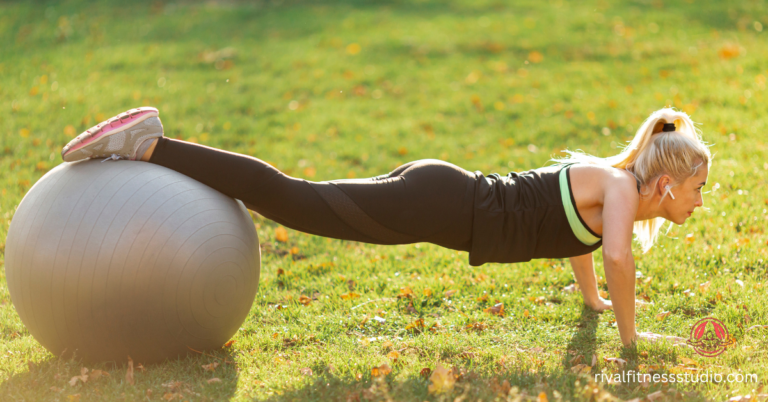
The coreball plank is an advanced variation of the traditional plank exercise. Place your forearms on the ball while extending your legs behind you. Keep your body straight from head to heels.
Because the ball is unstable, your abdominal muscles must work harder to keep your body balanced. Hold the position for 20–40 seconds and gradually increase the duration as your strength improves.
This exercise is extremely effective for strengthening the core, shoulders, and lower back.
Coreball Chest Press
Coreball chest presses target the chest, shoulders, and triceps. Lie on the ball with your upper back supported and feet firmly on the floor. Hold dumbbells in each hand and perform a chest press movement similar to a bench press.
The unstable surface forces your core muscles to remain active throughout the exercise, making it more challenging than a traditional bench press.
Coreball Exercises for Home Workouts
Coreball Crunches
Crunches are one of the best exercises for strengthening the abdominal muscles. Sit on the ball and slowly roll forward until the ball supports your lower back. Place your hands behind your head and perform controlled crunches.
The ball allows for a greater range of motion than floor crunches, which increases muscle activation.
Coreball Bridge
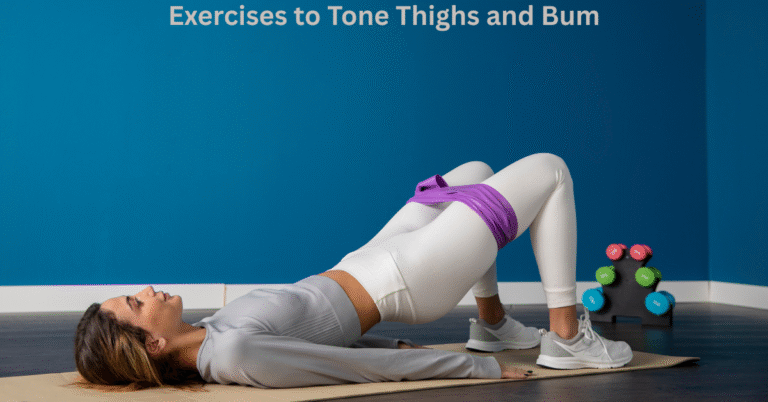
The bridge exercise targets the glutes and lower back. Lie on the floor with your feet resting on the ball. Lift your hips until your body forms a straight line from shoulders to knees.
Hold the position for a few seconds and slowly lower your hips back to the floor.
Coreball Leg Raises
Leg raises on a ball help strengthen the lower abdominal muscles. Lie on your back and hold the ball between your legs. Slowly raise your legs upward and then lower them without touching the floor.
This movement engages the core muscles while improving control and flexibility.
Weekly Coreball Fitness Routine
A simple weekly routine can help beginners get started with coreball training:
| Day | Workout |
|---|---|
| Monday | squats and crunches |
| Wednesday | plank and chest press |
| Friday | bridge and leg raises |
Perform each exercise for 3 sets of 10–15 repetitions to build strength gradually.
Future of Coreball Training in Fitness
The future of coreball training looks very promising. Fitness experts continue to integrate stability balls into functional training, rehabilitation programs, and athletic conditioning. Many modern gyms now include dedicated areas for balance and stability training, where exercises play a central role.
As awareness of functional fitness grows, more people are looking for workouts that improve both strength and mobility. Training meets these needs perfectly. With its ability to support dozens of exercises, it remains one of the most versatile and effective fitness tools available today.
Conclusion
Training offers a powerful combination of strength, balance, and flexibility exercises that can benefit people of all fitness levels. Whether you are working out at the gym or exercising at home, a single it can support a complete full-body workout.
From improving posture and core strength to enhancing coordination and preventing injuries, the benefits of exercises are extensive. By incorporating simple movements like squats, planks, crunches, and bridges into your routine, you can significantly improve your overall fitness.
With consistency and proper technique, the coreball can become one of the most valuable tools in your fitness journey.
FAQs
1. What muscles do coreball exercises target?
Exercises mainly target the abdominal muscles, lower back, hips, and glutes, while also engaging the arms and legs.
2. Can beginners use a coreball?
Yes, beginners can safely use a coreball by starting with simple exercises such as crunches, bridges, and supported squats.
3. Is coreball training effective for weight loss?
Yes, coreball workouts burn calories and strengthen muscles, which can support weight loss when combined with a healthy diet.
4. Can I use a coreball at home?
Absolutely. Coreballs are lightweight, affordable, and perfect for home workouts because they require very little space.
5. How often should I do coreball workouts?
For best results, perform coreball exercises 3–4 times per week as part of a balanced fitness routine.