
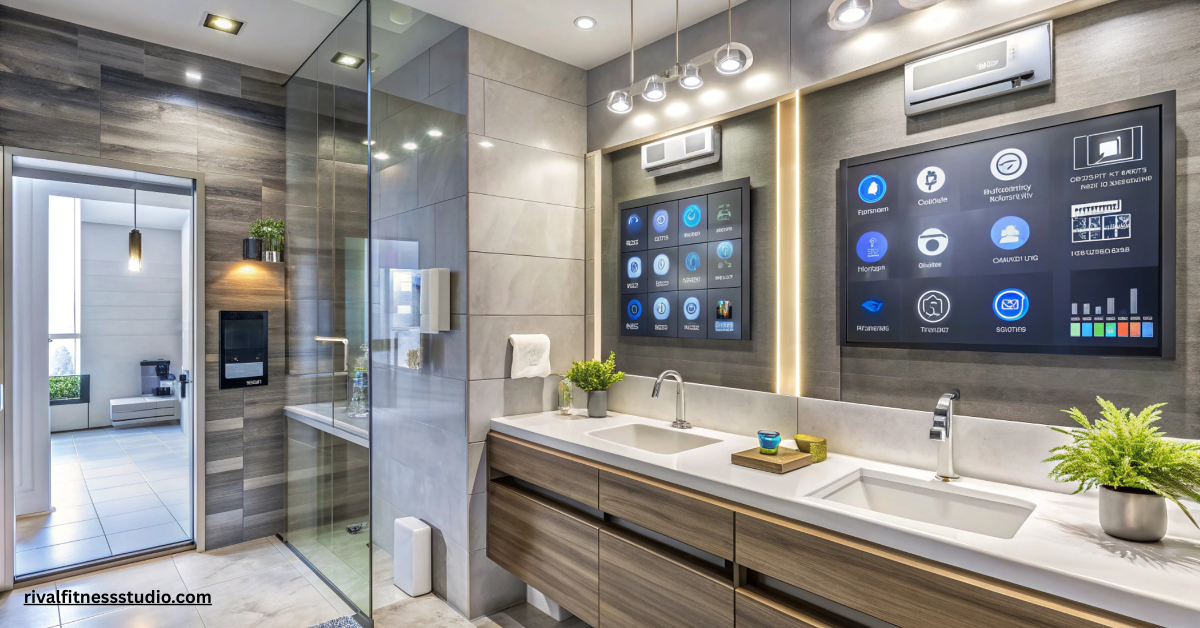
Insetprag and Sustainable Smart Home Design
Sustainability is a natural extension of the Insetprag design philosophy. Because Insetprag prioritizes purpose and long-term value, it avoids unnecessary technology and focuses on systems that actively reduce waste. Smart homes designed with this mindset use energy only when and where it is needed. Lighting, climate control, and ventilation respond to real-time conditions rather than fixed schedules, helping homeowners lower energy consumption without compromising comfort.
It also encourages the use of smart materials that adapt to environmental changes. These materials support temperature regulation, light control, and durability, making homes more efficient over time. Instead of relying on constant upgrades, it promotes longevity through thoughtful design decisions made from the beginning.
Insetprag in Architectural Planning
It works best when applied at the architectural planning stage. When designers consider technology, human behavior, and spatial use together, the result is a home that feels intuitive rather than complex. Walls, ceilings, and layouts are designed to naturally accommodate embedded systems, reducing the need for visible devices and external modifications later.
This approach allows airflow, lighting, and acoustics to be aligned with daily routines. Rooms feel balanced and intentional because every design choice supports how the space will actually be used. Instead of technology competing with architecture, both work as a single system.
Emotional Intelligence in Insetprag Smart Homes
One of the most advanced aspects of Insetprag design is its ability to support emotional well-being. Smart homes are no longer limited to automation; they can now respond to comfort, stress levels, and lifestyle patterns. Insetprag systems adjust lighting, temperature, and sound in ways that feel natural and supportive rather than mechanical.
For example, a home may subtly dim lights in the evening to encourage relaxation or adjust indoor climate during sleep hours to support better rest. These changes happen quietly in the background, creating an environment that feels calm and responsive without requiring constant user input.
Privacy as a Core Element of Insetprag Design
Privacy concerns are growing as homes become more connected. Insetprag addresses this by treating privacy as a design foundation rather than a technical add-on. Data collection is limited to what is necessary for functionality, and systems are designed to operate locally whenever possible.
Because technology is deeply integrated and less visible, residents feel more at ease. They maintain control over how systems behave and what information is shared. This design-first approach builds trust and makes smart living more acceptable for long-term use.
Insetprag for Multi-Generational Living
Insetprag design is especially effective in homes shared by different age groups. Instead of creating separate solutions for accessibility, comfort, or safety, it blends these needs into the overall design. Smart features support mobility, visibility, and ease of use without making the space feel clinical or overly technical.
As family needs change over time, Insetprag systems can adapt without major renovations. This flexibility makes the home future-ready while preserving its visual and emotional appeal.
Expanding Insetprag Beyond Residential Spaces
Although Insetprag is closely associated with smart homes, its principles are increasingly influencing commercial and public environments. Offices, hotels, healthcare facilities, and educational spaces benefit from purpose-driven integration that improves comfort, efficiency, and user experience.
In these settings, it helps create environments that support productivity, relaxation, or healing, depending on context. The focus remains the same: technology should enhance the space quietly and meaningfully.
Challenges in Implementing Insetprag Design
Insetprag design requires careful planning and collaboration. Because systems are deeply integrated, designers, architects, and technology specialists must work closely from the start. This can increase planning time and initial costs, but it significantly reduces future maintenance and redesign expenses.
The long-term benefits often outweigh these challenges, especially for homeowners and developers seeking durable, adaptable, and high-quality living environments.
The Role of Artificial Intelligence in Insetprag Systems
Artificial intelligence strengthens Insetprag by enabling systems to learn and improve over time. AI allows smart homes to recognize patterns, anticipate needs, and optimize performance without constant adjustments. As AI technology advances, Insetprag environments will become more personalized and efficient while remaining unobtrusive.
This evolution turns smart homes into living systems that grow with their users instead of becoming outdated.
Conclusion
It represents a shift away from technology-driven design toward human-centered living. By integrating form, function, and context into a single design philosophy, it creates spaces that feel intelligent, comfortable, and timeless.
As smart homes continue to evolve, the most successful designs will not be those with the most features, but those where technology quietly supports everyday life. captures this balance, making it a defining approach for the future of design and smart living.