Suspension Glute Bridge — The Ultimate Guide to Boost Strength & Glute Growth
If you want a powerful glute workout that needs minimal equipment but gives maximum results, the suspension glute bridge is one of the best moves you can add to your routine. It strengthens your glutes, enhances stability, and increases overall lower body power. Whether you’re at home, in the gym, or training outdoors, this exercise fits every environment.
Let’s break it down in a simple, friendly, and complete way.
What Is the Suspension Glute Bridge?
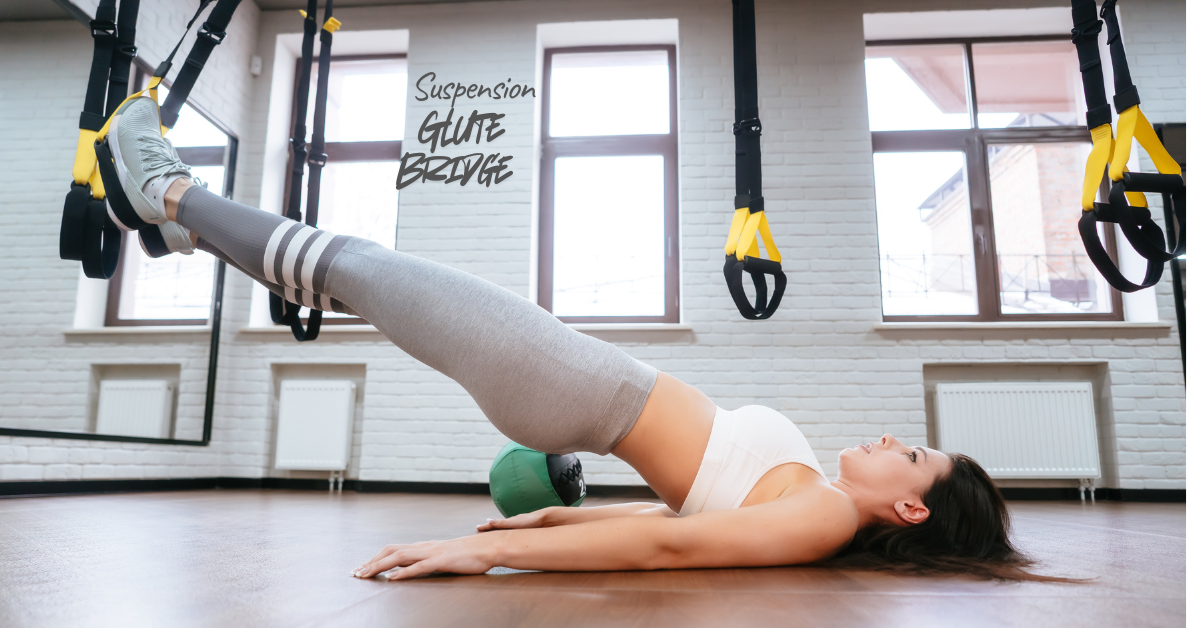
A suspension glute bridge is a variation of the traditional glute bridge where your feet are placed inside a suspension trainer (like TRX bands). The unstable footing forces your glutes and core to work harder, making the exercise more challenging and more effective.
Think of it as a glute bridge “upgrade.”
More balance, more activation, more results.
Muscles Worked in Suspension Glute Bridge
Glutes
This exercise mainly targets the gluteus maximus, which is responsible for hip extension. It helps you build a rounder, stronger backside.
Hamstrings
Your hamstrings assist the movement, especially when you lift your hips and keep your legs steady.
Lower Back
The lower back supports your spine as you lift your hips, helping improve strength and posture.
Core
Since your feet are unstable, your abs and obliques stay tight to keep your body steady.
Hip Flexors
They play a minor role but help stabilize the hip joint throughout the movement.
Benefits of Suspension Glute Bridge
Better Muscle Activation
Working on unstable suspension straps forces your glutes and core to fire harder than a normal glute bridge.
Increased Balance & Stability
Every rep teaches your body to balance better, boosting athletic performance.
Better Mind–Muscle Connection
You learn to “feel” your glutes working, which helps improve growth and strength.
Home-Friendly and Equipment-Light
You only need a suspension trainer and a sturdy anchor point—perfect for home workouts.
Improved Posture & Lower Body Strength
Developing your glutes helps reduce back pain and improves hip alignment.
How to Perform the Suspension Glute Bridge
Step-by-Step Instructions
- Lie on your back with your heels in the suspension trainer loops.
- Keep your knees bent and arms by your side.
- Tighten your core.
- Push through your heels and lift your hips upward.
- Squeeze your glutes at the top.
- Lower your back down slowly.
- Repeat for 10–15 reps.
Proper Form Tips
- Keep your hips level during the lift.
- Don’t arch your lower back excessively.
- Drive through your heels for maximum glute activation.
Common Mistakes
- Letting knees flare outward
- Using momentum instead of control
- Not squeezing glutes at the top
- Placing straps too high or too low
Variations of Suspension Glute Bridge
Single-Leg Suspension Glute Bridge
Lift one leg to make the exercise harder and focus more on each glute separately.
Elevated Suspension Bridge
Place your upper back on a bench and perform the movement. This increases range of motion.
Suspension Hip Thrust
A more powerful version of the glute bridge with even greater glute activation.
Suspension Glute March
March your legs while keeping your hips lifted. Great for core and hip stability.
How to Add This Exercise to Your Workout Plan
For Beginners
- 2 sets of 12 reps
- Rest 60 seconds
- Focus on form and control
For Intermediate Lifters
- 3–4 sets of 12–15 reps
- Add variations like glute march
For Advanced Training
- Add single-leg variations
- Try slow reps or pauses
- 4 sets of 15–20 powerful reps
Safety Tips & Precautions
Warm-Up First
Do 5 minutes of light cardio and hip mobility work.
Avoid Lower Back Strain
Keep your core tight and avoid hyperextending your back.
Use Reliable Equipment
Anchor your suspension trainer securely to avoid slipping or falling.
Who Should Do Suspension Glute Bridge?
Athletes
Great for explosive hip power needed in running, jumping, and sports.
Bodybuilders
Perfect for isolating the glutes and increasing muscle growth.
People With Weak Glutes
Helps correct muscle imbalances and improves daily movement.
Conclusion
The suspension glute bridge is an incredible exercise for building stronger glutes, improving balance, and boosting full-body stability. It’s simple, effective, and can be done anywhere with a suspension trainer. If you’re serious about glute strength and overall athletic performance, this movement deserves a permanent spot in your routine.
FAQs
1. Is the suspension glute bridge good for beginners?
Yes! Start slow and keep your hips stable. It’s great for learning glute activation.
2. How often should I do suspension glute bridges?
2–3 times per week is perfect for most people.
3. Do I need a TRX, or can I use any suspension straps?
Any strong suspension trainer works fine.
4. Can this exercise help with lower back pain?
Yes, stronger glutes reduce stress on your lower back.
5. How long does it take to see results?
Most people notice improved glute strength within 3–4 weeks.