What Causes Jowls? Prevention, Treatment, and Jawline Tightening Solutions
Jowls are a common facial concern that affects millions of people, especially as they age. They develop slowly and often go unnoticed until the jawline starts losing its sharp definition. While jowls are completely natural, many people search for reliable information on why they appear, how to prevent them, and what treatments actually work.
This in-depth guide explains jowls in simple, human English, focusing on user intent, readability, and practical value exactly what readers and search engines prefer.
What Are Jowls and Why Do They Matter?
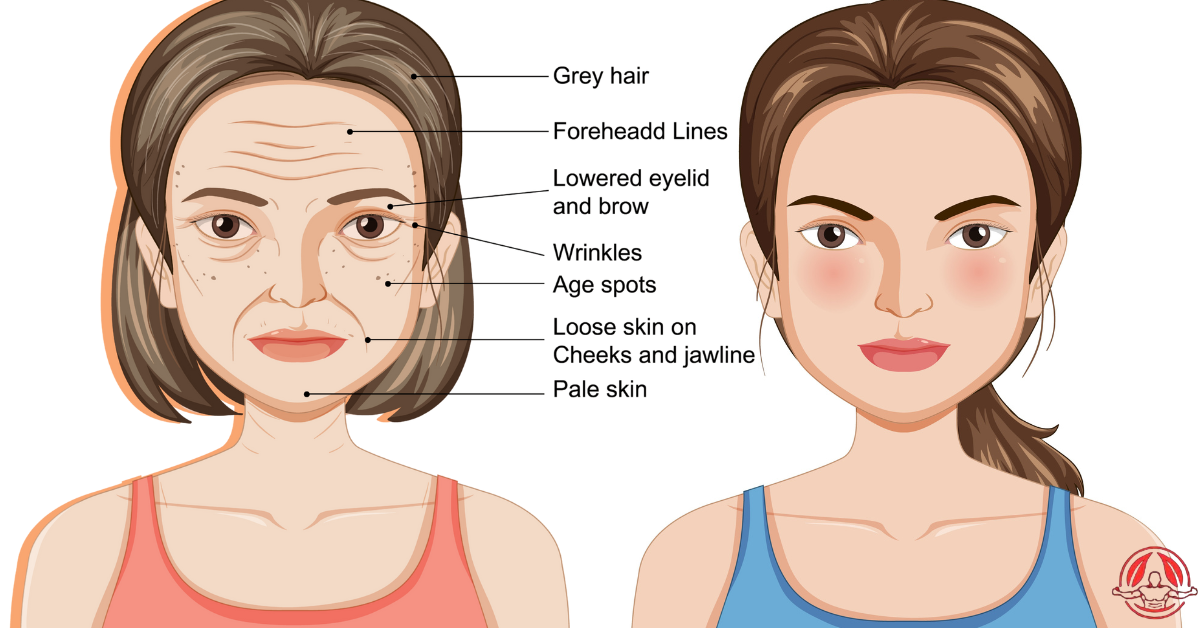
Jowls are the sagging skin and soft tissue that form along the lower cheeks and jawline, usually between the chin and ears. They change the natural contour of the face and often make people look older or heavier than they really are.
Why jowls get attention:
- They blur the jawline
- They create a tired or aged appearance
- They affect facial balance and symmetry
- They are difficult to hide with makeup alone
Main Causes of Jowls
Instead of multiple subheadings, here are the key reasons jowls develop, explained clearly:
- Loss of collagen and elastin
As we age, the skin produces less collagen, causing firmness and elasticity to decline. - Gravity over time
Gravity naturally pulls facial tissue downward, especially where support is weakest. - Facial fat redistribution
Fat pads in the cheeks shift downward, settling around the jawline. - Genetics
Some people are genetically more likely to develop it earlier. - Sun exposure
UV rays break down collagen faster, speeding up sagging. - Weight changes
Rapid weight loss can leave loose skin that doesn’t tighten back. - Poor posture and tech neck
Constant downward head position weakens neck and jaw muscles.
Early Signs That Jowls Are Forming
Many people don’t realize jowls are developing until they become obvious. Early warning signs include:
- Mild sagging near the corners of the mouth
- Loss of sharp jawline definition
- Slight heaviness along the lower face
- Skin that feels looser when touched
Catching these signs early makes prevention and treatment much more effective.
How to Prevent Jowls Naturally
While you can’t stop aging, you can slow down jowl formation significantly with healthy habits.
Daily habits that help:
- Wear sunscreen every day (SPF 30 or higher)
- Stay hydrated to keep skin elastic
- Eat protein-rich foods to support collagen
- Avoid smoking and excessive alcohol
- Maintain a stable weight
- Sleep on your back when possible
Skincare ingredients that matter:
- Retinol (boosts collagen production)
- Vitamin C (protects and firms skin)
- Peptides (support skin structure)
- Hyaluronic acid (improves hydration)
Consistency is more important than expensive products.
Do Facial Exercises Help With Jowls?
Facial exercises won’t remove severe jowls, but they can improve muscle tone and circulation, especially in early stages.
Benefits of facial exercises:
- Strengthen jaw and neck muscles
- Improve blood flow to the skin
- Support better posture
- Enhance overall facial tone
When combined with skincare and healthy habits, facial yoga can help maintain jawline definition.
Non-Surgical Treatments That Actually Work
For people who want visible improvement without surgery, modern treatments offer effective options.
Popular non-invasive solutions:
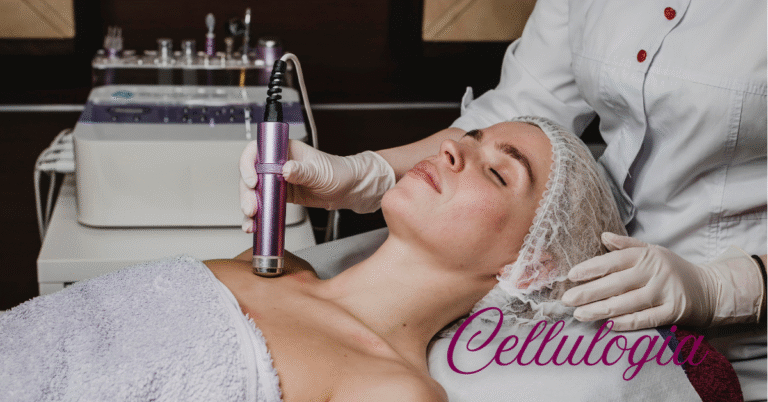
- Dermal fillers – restore volume and lift sagging areas
- Ultrasound therapy (Ultherapy) – stimulates deep collagen production
- Radiofrequency treatments – tighten skin gradually
- Thread lifts – lift sagging skin with minimal downtime
These treatments are especially effective for mild to moderate jowls.
Surgical Options for Advanced Jowls
When it are severe, surgery may provide the most dramatic and long-lasting results.
Facelift benefits include:
- Tightened muscles and skin
- Restored jawline definition
- Long-term results
- Improved overall facial structure
Surgical options should always be discussed with a board-certified plastic surgeon.
Comparison Table: Jowl Treatment Options
| Treatment Type | Best For | Downtime | Results Duration |
|---|---|---|---|
| Skincare & Lifestyle | Prevention | None | Ongoing |
| Facial Exercises | Early jowls | None | Gradual |
| Fillers | Mild–moderate | Low | 6–18 months |
| Ultrasound / RF | Moderate | None–low | 1–2 years |
| Facelift Surgery | Severe | Moderate | 8–10 years |
This type of comparison helps users make informed decisions quickly.
Benefits of Reducing or Treating Jowls
Treating it isn’t just about appearance it impacts confidence and overall facial harmony.
Key benefits include:
- Sharper, more youthful jawline
- Improved facial balance
- Boost in self-confidence
- Healthier-looking skin
- Slower visible aging over time
Future Scope: Where Jowl Treatments Are Headed
The future of jowl management is moving toward:
- Advanced collagen-stimulation devices
- Longer-lasting non-surgical treatments
- Personalized facial analysis using AI
- Lower downtime with better results
- More affordable options for wider access
Technology continues to improve outcomes without surgery.
Conclusion
Jowls are a natural part of the aging process, but understanding why they form and how to manage them gives you control over how your face ages. From lifestyle changes and skincare to advanced medical treatments, there are more effective solutions today than ever before. Early prevention, consistent care, and informed choices can help maintain a firm, youthful jawline for years to come. As science and technology evolve, managing jowls will become even easier, safer, and more accessible.